common hygiene product errors that compromise your health
In today's health-conscious world, hygiene products play a crucial role in maintaining our well-being. However, not all usage practices are beneficial. In fact, common mistakes in how we use these products can significantly compromise our health. Here, we delve into some prevalent errors and provide practical advice to ensure you’re using hygiene products effectively.
Overusing Antibacterial Products
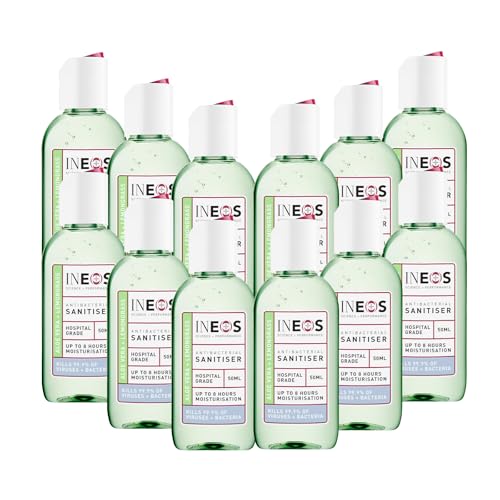
Antibacterial soaps and hand sanitizers have surged in popularity, especially in recent years. Many believe that more use equates to better protection against germs. However, overusing these products can disrupt the natural balance of bacteria on your skin, leading to skin irritations and a weakened immune system. Instead of relying solely on antibacterial options, incorporate regular soap and water for everyday hand washing. Reserve antibacterial products for situations where soap and water aren't available.
Neglecting Expiry Dates
Many hygiene products come with expiry dates, yet they often go unnoticed by users. Using expired products, such as creams, lotions, or even toothpaste, can lead to ineffectiveness or potential skin irritations. Always check the expiry date and dispose of any products that have outlived their shelf life. It's a good habit to periodically declutter your hygiene cupboard and replace outdated items.
People Also Look For:
- SURI 1.0 Sonic Electric Toothbrush with UV Cleaning Travel Case | 1 Month+ Battery | UK’s No.1 Rated | Electric Toothbrush ...
- Tongue Scraper for Adults by (2Pcs Oral Care Pack) Stainless Steel Tongue Cleaners Reduce Bad Breath 100% Metal Tough Scrapers Men...
- HUGO Man Deodorant Stick 75ml
- Clinell GCIHS500 Hand Sanitiser Gel - Dermotologically Tested, Kills 99.99% of Germs, Quick and Kind to Skin, No Stickiness - 500m...
- Dog Flea & Tick Shampoo for Itchy Skin 500ml - Medicated Flea & Tick Cleanser for Sensitive and Smelly Dogs - Antibacterial & Anti...
Improper Storage of Oral Hygiene Products
Oral hygiene products like toothbrushes and toothpaste require specific storage methods to maintain their efficacy. Storing your toothbrush in a closed container can trap moisture and promote bacterial growth. Instead, allow your toothbrush to air dry in an upright position. Furthermore, toothpaste can lose potency if exposed to extreme temperatures. Keep it in a cool, dry place rather than in the bathroom where heat and humidity can affect it.
Ignoring Skin Types When Choosing Products
Everyone's skin is unique, and using products that are not suited to your skin type can lead to adverse reactions. For instance, using a heavy moisturiser on oily skin can exacerbate the problem, while individuals with dry skin may find that water-based products do not provide enough hydration. It is essential to identify your skin type and choose products accordingly. Conduct a patch test when trying new products to ensure they are compatible with your skin.
Not Shaking Products Before Use
Some hygiene products, particularly sprays and lotions, require shaking before use to ensure the ingredients are evenly distributed. Failing to do this can lead to ineffective application, where active ingredients are not adequately mixed, resulting in uneven results. Always read the instructions on the label, and remember to shake products like deodorants and sprays to maximise their efficacy.
Using the Wrong Amount of Product
Applying too little or too much of a hygiene product can lead to unintended consequences. With shampoos, for example, using too little may not effectively cleanse your hair, while excessive amounts can lead to build-up and greasiness. Follow the usage instructions provided and adjust according to your needs. For instance, a pea-sized amount of toothpaste is sufficient for effective cleaning.
Relying Solely on Deodorant
While deodorants are essential for controlling body odour, they do not eliminate bacteria that cause smell. Regular bathing is still necessary to keep the skin clean and free from bacteria. Increase your hygiene routine by bathing regularly and using deodorant as a supplementary measure, rather than the primary defence against body odour.